
Walk down any sunscreen aisle and you’ll hit the same fork: chemical or mineral (also called physical). There’s a lot of strong opinion online about which is “safer” or “better” — most of it more heated than helpful. The honest answer is that both protect your skin well, and the right one depends on your skin type and what you’ll actually wear. Here’s a clear, balanced comparison.
How each one works
The core difference is the mechanism:
- Chemical sunscreens use filters (such as avobenzone, octinoxate, octocrylene, homosalate) that absorb UV rays and convert them into a small amount of heat, which the skin releases. They tend to be lightweight, blend in clear, and need about 15–20 minutes to become fully effective after applying (Johns Hopkins Medicine).
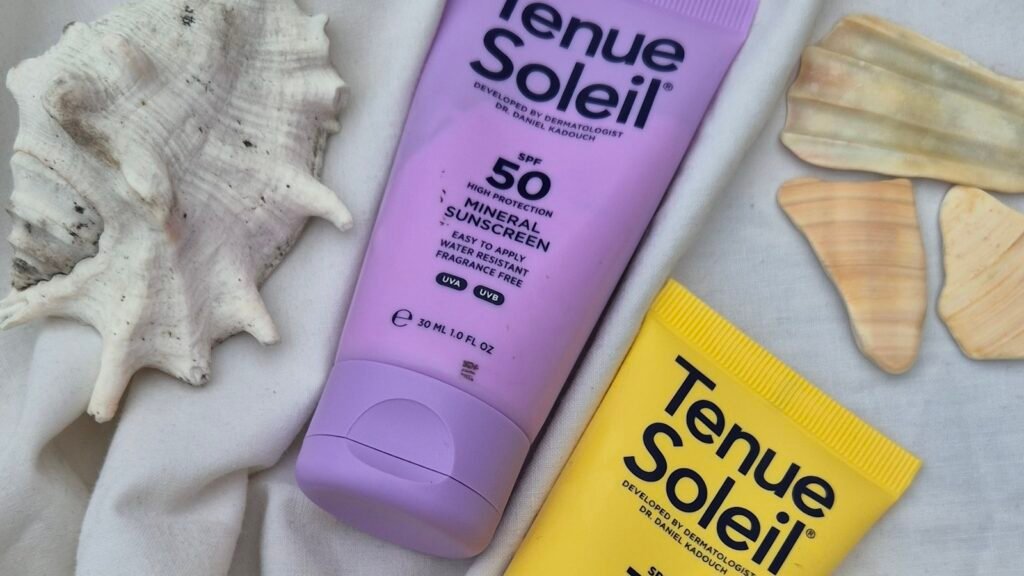
- Mineral (physical) sunscreens use zinc oxide and/or titanium dioxide, which mostly sit on the surface and reflect and scatter UV. They protect essentially as soon as they’re applied, and are less likely to irritate — but they can leave a white cast (Johns Hopkins Medicine).
Both, when broad-spectrum, protect against UVA and UVB. Neither is inherently stronger — protection comes down to the formula, the SPF/PA, and how much you apply.
Chemical sunscreen: pros and cons
Good for: most people who want a lightweight, invisible finish; oily and combination skin (there are excellent gel and fluid textures); anyone bothered by white cast; wearing under makeup.
Watch-outs: the filters need a short wait to activate; they can occasionally sting sensitive skin or eyes; and some people prefer to avoid specific older filters like oxybenzone. On that last point, it’s worth being measured: regulators evaluate filter safety and set permitted levels, and there’s no good evidence that using sunscreen is harmful to health — the well-established risk is skipping sun protection (industry and regulatory reviews, 2025). If you’d rather avoid a particular filter, simply choose a formula without it.
Mineral sunscreen: pros and cons
Good for: sensitive, reactive, rosacea-prone or eczema-prone skin; those who want protection to work immediately; anyone who prefers to avoid chemical filters. Dermatologists often suggest zinc-based mineral formulas for sensitive skin (Doctor Rogers, board-certified dermatologist, 2026).
Watch-outs: the white cast on deeper skin tones is the big one — though tinted mineral sunscreens with iron oxides solve this neatly, and as a bonus block visible light for better pigmentation protection (covered in sunscreen without a white cast). Mineral formulas can also feel heavier or need more effort to rub in.
Which should you pick?
Match it to your skin and life:
- Oily / acne-prone skin (common in Indian heat): a lightweight chemical or hybrid gel/fluid usually feels best and is easiest to wear daily. See summer skin for texture tips.
- Sensitive, reactive, or rosacea/eczema-prone skin: a mineral (ideally tinted) formula is the gentler bet.
- Pigmentation- or melasma-prone skin: a tinted sunscreen of either type — the iron oxides help most.
- Hate white cast, want it invisible: chemical or hybrid, or a well-matched tinted mineral.
- Want protection the instant you step out: mineral (chemical needs ~15 minutes).
Many of the best modern sunscreens are actually hybrids — combining chemical and mineral filters to balance elegance, gentleness and broad protection. Don’t feel you must pick a tribe.
The point that matters more than the debate
Here’s the thing the chemical-vs-mineral argument usually misses: the difference between the two matters far less than whether you apply enough and reapply. A “perfect” mineral sunscreen applied too thin, or a great chemical one you skip because it’s greasy, both fail. The best sunscreen is genuinely the one you’ll reach for every single day — a principle we keep returning to in the main sunscreen guide.
We’re formulating pH Matter’s sun care to be protective and wearable in Indian conditions, so the “which will I actually use” question answers itself. If you’d like a note when it’s ready, leave your email — no spam, just the science as it comes.
FAQ
What’s the difference between chemical and mineral sunscreen?
Chemical sunscreens absorb UV using filters like avobenzone and octinoxate; they’re lightweight and clear but need ~15 minutes to activate. Mineral sunscreens use zinc oxide or titanium dioxide to reflect UV; they work immediately and are gentle, but can leave a white cast.
Which is better, chemical or mineral sunscreen?
Neither is universally better — both protect well when broad-spectrum. Chemical suits those wanting an invisible, lightweight finish; mineral suits sensitive skin and those wanting immediate protection. The best one is the one you’ll wear daily.
Is chemical sunscreen safe?
Yes, by current evidence. Regulators evaluate and limit filters, and there’s no good evidence that wearing sunscreen harms health — the clear risk is not protecting your skin. If you prefer to avoid a specific filter, choose a formula without it.
Which is better for oily, acne-prone skin?
Usually a lightweight chemical or hybrid gel/fluid, which feels less heavy in heat and humidity. Look for “non-comedogenic.” Some mineral formulas work too — texture and wearability matter most.
What is a hybrid sunscreen?
One that combines chemical and mineral filters, aiming to balance an elegant, wearable finish with gentle, broad-spectrum protection. Many of the best modern sunscreens are hybrids.
Written by the pH Matter Editorial team. Educational only, and not a substitute for a dermatologist’s advice.