
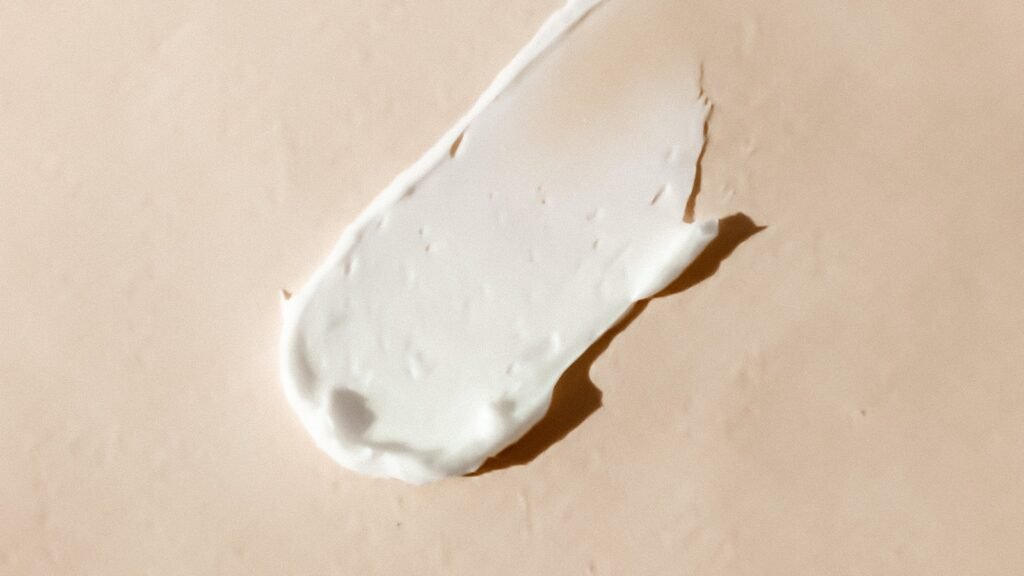
If you’ve ever applied sunscreen and looked slightly grey, ashy or ghost-like in photos, you know the specific frustration of the white cast. It’s one of the top reasons people with brown skin quietly stop wearing sunscreen — which is a real problem, because Indian skin needs it every day. The good news: a white cast is completely avoidable once you understand what causes it.
Why sunscreen leaves a white cast
The cast comes almost entirely from mineral (physical) sunscreen filters — specifically zinc oxide and titanium dioxide. These are white, opaque minerals that work by sitting on the skin and reflecting UV. On lighter skin the whiteness barely shows; on deeper skin tones it reads as a grey or chalky film (Johns Hopkins Medicine). Titanium dioxide tends to be the worse offender for cast.
So the white cast isn’t a sign the sunscreen is “too strong” or that you’ve done something wrong — it’s simply the colour of those particular filters showing up against brown skin.
The ways to avoid it
You have several good options, and none of them means skipping protection.
1. Choose a chemical (or hybrid) sunscreen. Chemical filters absorb UV rather than reflecting it, and they’re generally clear — so they don’t leave a cast. A well-formulated chemical or chemical-mineral “hybrid” sunscreen is the easiest route to an invisible finish, and for many Indian skin tones it’s the most wearable choice. (More on the trade-offs in chemical vs mineral sunscreen.)
2. Pick a tinted mineral sunscreen. This is the clever one. Tinted sunscreens add iron oxides, which give the product a warm, skin-toned colour that cancels out the grey — so mineral protection blends into brown skin instead of sitting on top of it (American Academy of Dermatology). Even better, those same iron oxides block visible light, which drives pigmentation and melasma in deeper skin — so a tinted sunscreen protects better against dark spots than a clear one, while looking more natural. For pigmentation-prone Indian skin, tinted is often the ideal.
3. Look for modern, cosmetically elegant formulas. Newer sunscreens — sheer fluids, gels, “invisible” or “serum” textures — are specifically formulated to go on clear and lightweight. Micronised or differently-coated mineral particles, and silicone-based bases, reduce cast dramatically.
Application tricks that reduce cast
Even a good formula can look off if it’s applied wrong. A few habits help:
- Apply thin layers, and let each set. Rubbing in one thin layer, waiting a minute or two, then adding a second, gives better coverage with less visible film than one thick layer.
- Warm it between your hands first — it helps mineral formulas melt into skin rather than sit on top.
- Give it 10–15 minutes before makeup or photos; many casts fade as the product settles.
- Match the tint. If you use a tinted sunscreen, choosing a shade close to your skin tone makes the finish seamless.
A note on not over-correcting: don’t apply less sunscreen to reduce the cast. Under-applying is the number-one reason sunscreen fails, so the answer is a better formula, not a thinner layer — a point we stress in the main sunscreen guide.
So what should you actually buy?
- Want zero cast, easiest wear? A chemical or hybrid sunscreen, SPF 50 PA++++.
- Want cast-free and the best pigmentation protection? A tinted mineral (or tinted hybrid) with iron oxides.
- Sensitive skin that reacts to chemical filters? A tinted mineral formula gives you mineral gentleness without the grey.
Whichever you pick, the non-negotiables from the pillar still apply: broad-spectrum, SPF 30–50, PA+++ or higher, applied generously and reapplied. A sunscreen you’ll actually wear every day — because it looks good on your skin — beats a “perfect” one you avoid.
We’re building pH Matter’s sun care for exactly this: real protection that looks right on Indian skin. If you’d like a note when it’s ready, leave your email — no spam, just the science as it comes.
FAQ
Why does sunscreen leave a white cast on brown skin?
Because mineral filters — zinc oxide and titanium dioxide — are white and work by reflecting UV. Against deeper skin tones they show up as a grey or chalky film. Chemical filters, which absorb UV, are clear and don’t cast.
How do I stop sunscreen looking grey or ashy?
Use a chemical or hybrid sunscreen (clear filters), or a tinted mineral sunscreen with iron oxides that blends into brown skin. Apply thin layers, warm it in your hands, and let it set for 10–15 minutes.
Are tinted sunscreens better for Indian skin?
Often, yes. The iron oxides that give tint also block visible light, which drives pigmentation and melasma in deeper skin — so a tinted sunscreen looks more natural and protects better against dark spots.
Is chemical or mineral sunscreen better for avoiding white cast?
Chemical (and hybrid) sunscreens are clear and cast-free, so they’re easiest for avoiding whiteness. Mineral sunscreens cast unless they’re tinted. Choose based on your skin’s sensitivity and preference.
Does avoiding white cast mean less protection?
No — as long as you apply enough. Don’t use a thinner layer to reduce cast (that lowers protection). Instead choose a better-formulated clear or tinted sunscreen and apply the full recommended amount.
Written by the pH Matter Editorial team. Educational only, and not a substitute for a dermatologist’s advice.