
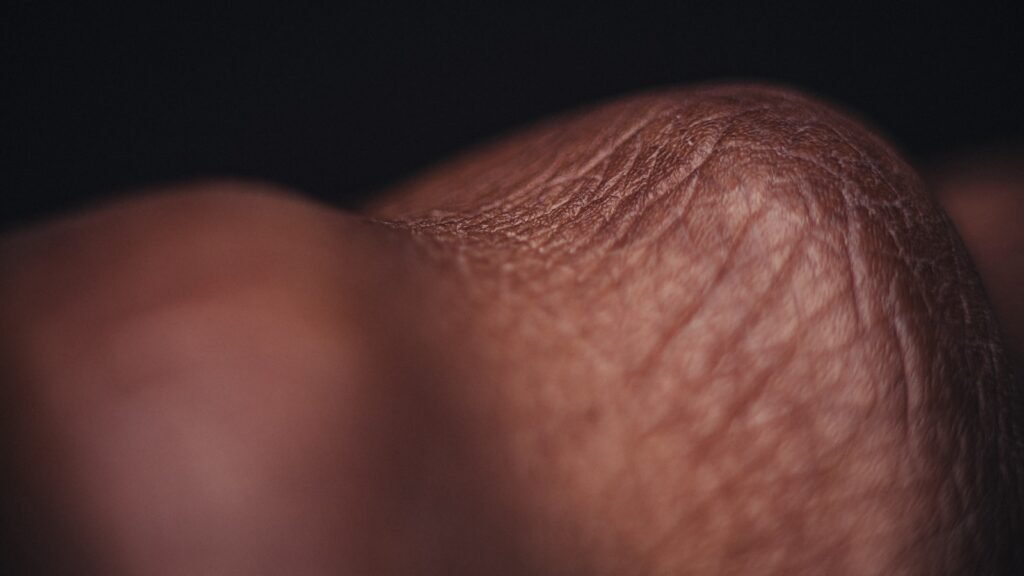
Uneven tone, dark patches, spots that linger for months after a pimple heals — pigmentation is one of the most common reasons Indians see a dermatologist, and one of the most disheartening things to treat, because it’s slow and it comes back. If you’ve been fighting it, the first thing worth knowing is that your skin isn’t misbehaving. Pigment-rich skin is doing what it’s designed to do; it just does a lot of it, in a country with a lot of sun.
Here’s how pigmentation actually works on Indian skin, the main types you’ll run into, and a realistic, evidence-based path to a more even tone — without the harsh shortcuts that often make things worse.
Why Indian skin pigments so readily
Skin colour comes from melanin, made by cells called melanocytes and switched on by the enzyme tyrosinase. Melanin is genuinely protective — it absorbs and scatters UV. Skin with more melanin (most Indian skin) responds to any stress — sun, heat, inflammation, injury — by making more pigment, more easily. That’s excellent sun defence, and it’s exactly why the visible price of that stress tends to be dark spots rather than the redness or burning seen on lighter skin.
Pigmentation disorders are also simply more common in skin of colour, and are a leading reason for dermatology visits among people with deeper skin tones (British Journal of Dermatology, 2023). Melasma alone is estimated to affect around 40% of women and 20% of men in Asian populations (International Journal of Molecular Sciences, 2025).
The main types you’ll encounter
Knowing which kind you have matters, because they behave differently:
- Melasma — larger, often symmetrical brown or grey-brown patches, usually on the cheeks, forehead and upper lip. It’s driven by a mix of sun, hormones and heat, and it’s stubborn and relapse-prone. Melasma also has inflammatory and vascular components, not just pigment (European Medical Journal, 2024).
- Post-inflammatory hyperpigmentation (PIH) — the brown marks left behind after acne, injury or irritation. Extremely common on Indian skin, and the reason a single breakout can “stay” for months.
- Sun spots / photodamage — flatter, more defined dark spots from cumulative UV, which we cover alongside UV and pigmentation on Indian skin.
The one thing that matters most: sun protection
If you take away a single point, make it this. Sun protection is the foundation of every credible pigmentation treatment — without it, everything else is swimming upstream, because fresh UV keeps re-triggering the pigment you’re trying to fade. Studies consistently show sunscreen alone improves melasma, and that it makes active treatments meaningfully more effective (Practical Dermatology, 2024).
Two nuances matter for pigmentation specifically. First, it’s not only UV — visible light (the ordinary light around you, including from screens and through windows) also drives melasma, so broad-spectrum protection that covers visible light, often meaning a tinted mineral sunscreen with iron oxides, is more useful here than a basic UV filter (European Medical Journal, 2024). Second, daily and consistent beats occasional and heavy. This is the same climate-first logic that runs through why skincare has to be built for India.
Ingredients with real evidence
Most effective brightening ingredients work by calming tyrosinase, the pigment “switch.” The ones with the best track record include:
- Vitamin C — antioxidant and tyrosinase inhibitor; also helps defend against the UV and pollution that worsen pigment. (In Indian heat, the form matters, because ordinary vitamin C oxidises — the point of the yellowing problem.)
- Niacinamide — interrupts pigment transfer to skin cells and calms inflammation; gentle enough for daily use.
- Tranexamic acid — a newer favourite that targets melasma’s vascular and inflammatory side; worth its own read in our guide to tranexamic acid.
- Azelaic acid — calms inflammation and pigment, and is well tolerated, including in pregnancy (with medical advice).
- Alpha arbutin, kojic acid and newer resorcinols — a family of tyrosinase inhibitors we compare in arbutin vs hydroquinone vs kojic acid.
A note on hydroquinone: it’s long been considered the most potent lightening agent, but its regulatory status has tightened worldwide over safety concerns, and it’s now a prescription medicine rather than something to buy off a shelf. We explain why in the comparison post — the short version is that it’s a doctor’s tool, not a DIY one.
A realistic routine and realistic expectations
For most everyday pigmentation, a gentle, consistent approach does well:
- Broad-spectrum SPF every morning (ideally visible-light protection for melasma), reapplied through the day.
- One brightening active you tolerate well — vitamin C, niacinamide or azelaic acid are good, low-drama starting points.
- Support the barrier. Irritated, over-treated skin pigments more, so aggressive routines backfire. Gentle wins.
- Patience. Pigment fades on skin’s own timeline — usually months. Consistency matters far more than intensity.
And an honest boundary: melasma and persistent pigmentation are genuinely difficult, and some treatments (including certain lasers and strong agents) can worsen pigment in darker skin if used wrongly. For anything stubborn, widespread, or distressing, see a dermatologist — prescription options like tranexamic acid or supervised hydroquinone exist precisely for this, and they’re safest with expert guidance.
We’re developing pH Matter’s own pigmentation formulas with Indian skin and Indian sun at the centre of the brief. If you’d like a note when they’re ready, you’re welcome to leave your email — no spam, just the science as it comes.
FAQ
Why does Indian skin get hyperpigmentation so easily?
Pigment-rich skin responds to sun, heat, inflammation and injury by producing more melanin, more readily. It’s protective, but it means stress tends to show up as dark spots and patches rather than redness.
What’s the difference between melasma and normal dark spots?
Melasma is larger, often symmetrical brown/grey patches driven by sun, hormones and heat, and it’s relapse-prone. Post-inflammatory hyperpigmentation (PIH) is the mark left after acne or irritation. Sun spots are flatter marks from cumulative UV. They overlap but respond differently.
What is the most important step for treating hyperpigmentation?
Daily broad-spectrum sun protection. Without it, other treatments are far less effective because new UV (and visible light) keeps re-triggering pigment. For melasma, visible-light protection (often a tinted mineral sunscreen) helps most.
Which ingredients actually fade pigmentation?
Evidence supports vitamin C, niacinamide, azelaic acid, tranexamic acid, and the arbutin/kojic/resorcinol family — most work by calming the tyrosinase enzyme. Hydroquinone is potent but now a prescription medicine due to safety concerns.
How long does it take to fade hyperpigmentation?
Usually months of consistent care, because skin renews slowly. Intensity doesn’t speed it up — and over-treating can worsen it. For stubborn or widespread pigmentation, see a dermatologist.
Written by the pH Matter Editorial team. Educational only, and not a substitute for a dermatologist’s advice — especially for melasma or any pigmentation that is widespread, changing, or distressing.